©Pregnancy bliss 2008

Home.
Reproductive Health.
Normal Pregnancy.
Pre-existing conditions.
Pre-eclampsia.
HELLP Syndrome.
Trauma in Pregnancy.
Pain in Pregnancy.
Thrombo-embolic Disease.
Amniotic fluid problems.
Cancer in Pregnancy.
Viral and Bacterial infections.
Anemia in Pregnancy.
Drug abuse.
Smoking in Pregnancy.
Alcohol in Pregnancy.
Bleeding in Pregnancy.
Miscarriage.
Ectopic pregnancy.
Preterm Labor.
PPROM.
Prenatal diagnosis.
Medicines in Pregnancy.
Exercise in Pregnancy.
Stillbirth.
Home.
Contact.
Sitemap.
Links.
Pregnancy and Childbirth: The answers


Treating eczema during pregnancy


Eczema is a fairly common condition the symptoms of which can persist after conception. Treatment to control the lesions commonly consists of an emollient, a steroidal skin preparation, occasionally oral medication or a combination of any of these.


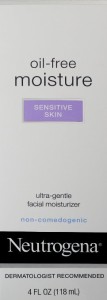
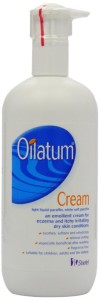
Emmolients are meant to soothe and rehydrate the skin. There are many such preparation with many different proprietary names. Common ones include E45®, Oilatum®, Neutrogena®, Vaseline®, aqueous cream, white soft paraffin etc.

There is no evidence of adverse effect from the use of these emmolients during pregnancy. Steroidal skin (topical) preparations, when used as recommended, are also regarded  to be safe to use during pregnancy.
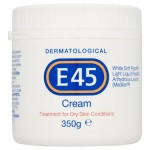
 

Acqueous cream is employed for its soothing effect in eczema
Emmolients are for soothing the skin
Emollients can be used in pregnancy
Emmolients are mostly safe to use in pregnancy

There is a whole plethora of emollients, meant to soothe the skin in conditions like Eczema (pictured below). Most of them are safe to continue using during pregnancy. However, like for all forms of medicine, it is crucial to read the manufacturer’s advice

Acute eczema

Acute eczema on the back of the legs: It is not always this bad!